The Unexpected Connection Between Pollen and Your Pearly Whites
When spring arrives and nature awakens from its winter slumber, millions of Britons reach for antihistamines and tissues to combat the annual onslaught of seasonal allergies. Whilst most people associate hay fever with sneezing, itchy eyes, and congestion, fewer realise that these same allergic reactions can significantly impact oral health and create unexpected challenges during routine dental appointments. The relationship between seasonal allergies and dental wellbeing represents a fascinating intersection of immunology and dentistry that deserves closer examination by a dentist Borehamwood.
Seasonal allergies trigger a cascade of physiological responses throughout the body, and the oral cavity is far from immune to these effects. Understanding how allergens influence dental health enables patients to take proactive measures and helps dental professionals provide more effective care during peak allergy seasons. From increased tooth sensitivity to complications during procedures, the ripple effects of seasonal allergies extend far beyond the typical symptoms most people anticipate.
How Allergies Compromise Oral Health
Dry Mouth and Reduced Saliva Production
One of the most significant ways seasonal allergies affect oral health is through the reduction of saliva production. When individuals suffer from nasal congestion, they naturally resort to mouth breathing, particularly during sleep. This constant flow of air through the mouth rapidly dries out oral tissues and diminishes the protective saliva film that normally coats teeth and gums. Saliva serves as the mouth’s natural defence mechanism, neutralising acids, washing away food particles, and providing essential minerals that strengthen tooth enamel.
Antihistamine medications, whilst effective at controlling allergy symptoms, frequently exacerbate dry mouth conditions as a common side effect. This double impact creates an environment where harmful bacteria can flourish unchecked, leading to increased risks of tooth decay, gum disease, and persistent bad breath. The connection between allergic reactions and dental complications highlights the importance of maintaining proper oral hygiene during allergy season.
Sinus Pressure and Toothache
The maxillary sinuses sit directly above the upper back teeth, and when these cavities become inflamed and congested during allergic reactions, they can create pressure that mimics dental pain. Many patients mistake this sinus-induced discomfort for genuine toothache, leading to unnecessary dental appointments and confusion about the source of their symptoms. A dentist regularly assesses whether tooth pain stems from actual dental issues or sinus pressure, particularly during peak allergy seasons.
Increased Inflammation and Gum Sensitivity
Seasonal allergies trigger systemic inflammation throughout the body, and the gums are particularly susceptible to these inflammatory responses. Allergy sufferers often notice their gums become more sensitive, prone to bleeding, and tender during peak pollen seasons. This heightened inflammatory state can worsen existing gum conditions or create new periodontal concerns that require professional attention. The immune system’s overreaction to harmless allergens inadvertently creates collateral damage in oral tissues, making routine brushing and flossing more uncomfortable.
Complications During Dental Treatments
Breathing Difficulties and Patient Comfort
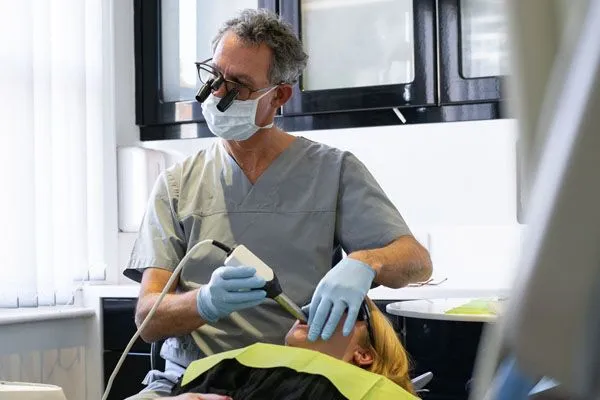
Routine dental procedures become considerably more challenging when patients struggle with nasal congestion and restricted breathing. Dental work often requires patients to keep their mouths open for extended periods, which becomes problematic when nasal passages are blocked. This situation creates anxiety for both patients and dental professionals, as the need to breathe through the mouth whilst receiving treatment can trigger panic responses and necessitate frequent breaks during procedures.
Many dental practitioners recommend that patients experiencing severe seasonal allergies reschedule non-urgent appointments until symptoms subside. For essential treatments, managing allergy symptoms before dental visits ensures greater comfort and more successful outcomes. Dental practices often work closely with patients to identify optimal timing for procedures that minimises allergy-related complications.
Post-Treatment Healing Concerns
The immune system’s preoccupation with fighting allergens can potentially slow healing following dental procedures. Extractions, gum treatments, and other invasive dental work require robust immune responses for proper recovery. When the body is already managing an allergic reaction, healing times may extend, and the risk of complications can increase. Additionally, the persistent coughing and sneezing associated with allergies can disrupt healing sites and cause discomfort in areas where dental work has been performed.
Protecting Your Smile During Allergy Season
Understanding the impact of seasonal allergies on dental health empowers individuals to take preventative action. Maintaining excellent oral hygiene becomes even more critical during allergy season, with particular attention to staying hydrated, using alcohol-free mouthwashes, and possibly incorporating saliva-stimulating products. Communication with dental professionals about allergy symptoms ensures appropriate treatment planning and optimal outcomes. By recognising the intricate relationship between seasonal allergies and oral health, patients can navigate allergy season whilst maintaining their dental wellbeing and ensuring routine treatments proceed smoothly and comfortably.