• Education

    Knowing about private preparatory schools

    A secondary school that prepares students for college is a college preparatory school. The word refers to public, private, independent, or parochial schools primarily focused on preparing pupils for postsecondary education.

    We think we must provide our students with historical knowledge, engage people in the current, and strengthen their skills. Our goal is to raise good citizens who are aware of others’ needs, ethically and intellectually accountable for our world, and ready to give an accounting to God for their life. We try to provide a solid academic programto provide our pupils with the cognitive, spiritual, athletic, and artistic characteristics required to keep the world as God created it.
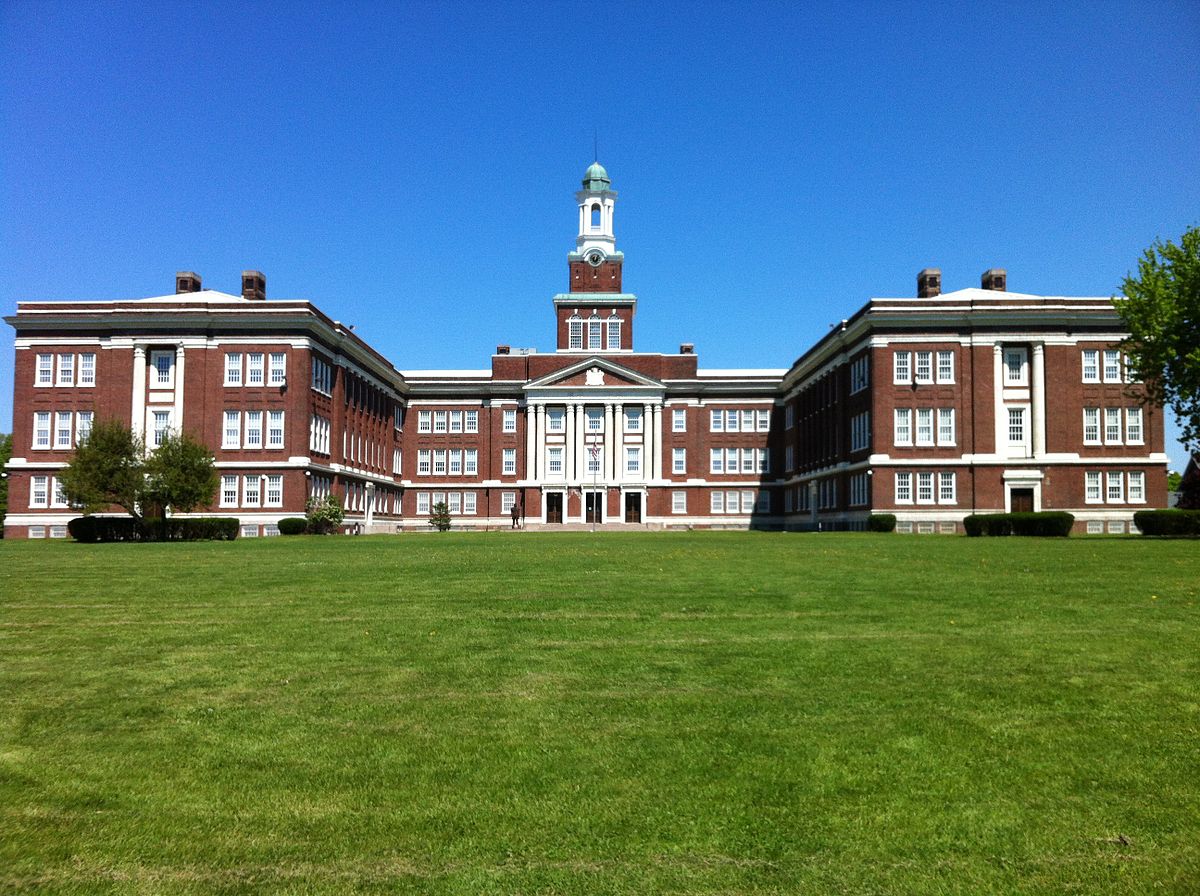
    Preparatory schools, including the West Reserve Academy, were founded well before Civil War; there were no school systems in the United States above the primary level. Because their graduates were unprepared for college, many colleges established “preparatory academies” to help them prepare. As at New York College, the preceding section may outnumber the college. There were also non-college preparatory schools, particularly for girls. There were no women’s colleges at the time, and men & women did never study it at any level. Following the Civil War, a few female prep institutions became women’s colleges.

    The early 20th century

    In the early 20th century centuries, everyone could get a free high school education. Since then, the United States’ surviving “prep schools” have mostly been private, privileged institutions with highly selective admission requirements and expensive tuition costs that cater to students aged 13 to 18. Other than loans, there is little financial assistance available. Prep schools can indeed be day institutions, primary schools, or even both, and they can be coed or all-girls. Day schools are now more common than boarding schools, and co-educational schools have been more common than single-sex schools since the 1970s. They charge tuition, unlike free public schools. Some prep colleges are linked with a particular religious group.

    Public & charter college preparation schools are usually affiliated with a local school system and draw students from around the district rather than just the closest school zone. Some colleges and universities offer relevant courses or curricula which help prepare for a particular subject of study. On the other hand, others use the designation as a marketing tool without offering programs distinct from those offered at a traditional high school.

    In Asia

    In Japan, college preparatory schools are known as yobik (), which translates to “school used to advance into another school.” In Japan, prep schools are traditionally regarded as prestigious and are notoriously difficult to enter. There are, however, several grades of prep schools, with admission based on the university to which the school leads. That’s all about private preparatory schools.


  • Education

    Why Coloring Books Are Good to Induce Innovation?

    The cartoon coloring books and printable coloring books that you can find on the Internet develop your child’s sense of personal choice; Children all over the world have been found to have the same options when it comes to the virtual world of cartoon coloring. Even adults love cartoon characters, resulting in a series of Hollywood movies based on cartoon characters.

    Moral education by way of coloring

    Christian parents can easily find many Bible coloring books for kids online. Even if your family is not religious, children need to understand religious biblical concepts, icons, and events. It is a question of cultural education, not just a moral basis. In a broader sense, these images can be used as a starting point for a conversation on moral issues in general.

    Many state government departments offer free tip sheets to promote citizenship. For example, the State Department of the Environment may offer books of activities that promote environmental cleanup. Other important civic and moral lessons that can be taught through color are reciprocity, loyalty, and self-discipline.

    Perspective with Coloring Books

    Coloring improve fine motor skills

    Perhaps the greatest benefit of coloring children’s favorite cartoon characters or animals is fine motor development. This includes learning how to properly hold the pencil, marker, or colored pencil with which they draw.

    When observing young children learning to color, use gentle directions to encourage them to hold the writing instrument near the tip sandwiched between the tips of the thumb, index, and middle fingers. Many children clench a pencil in their fists. Correcting this misuse is an important first step toward true handwriting.

    Conclusion

    Coloring is more than an activity for rainy days. They can be great opportunities to teach children motor skills, cognitive development, and moral education. As a parent, guardian, or teacher of young children, it is vital to make the most of this opportunity to fully involve young people and help them realize their potential in a fun and creative way.

  • Education

    Reason Why a College Education is Important. 

    In today’s competitive career world, a college degree, diploma, or certificate is essential to achieving your dream job. Whether you want to be a nurse, social worker, entrepreneur, or anything else together, getting a university degree is not desired. Unlike previous generations, today’s high school graduates cannot afford the number of well-paid jobs previously available without a university degree. This is because North America has grown from a production-based economy to a knowledge-based economy, indicating that a university education is a gateway to abundant opportunities. Statistics also show that workers with diplomas earn higher wages than those without a diploma. However, other benefits come with the graduation process that makes a difference where you end up on the corporate ladder.

    The college demands are constantly growing, as students choose smaller classes, more practical training, and a shorter duration of the program. The smaller types encountered in college ensure, unlike the university environment, that you are treated as a student rather than as a number. Teachers have more time for individual guidance, which gives you confidence in your field. The type of comprehensive knowledge that comes with a college degree gives you an edge over the competition. If the employer chooses between two candidates, then the university diploma shows a serious interest in the selected field and the knowledge and training necessary for success.

    Second, most university programs offer an ideal balance between theoretical and “real” learning. This is done through recruitment, internships, and apprenticeships. Not only do students face situations that best prepare them for their field of choice, but they also improve their CV. Many employers want to train recent graduates who have received some prior practical training.

    Finally, university study programs offer a “quick” option for specific programs and, if there is previous experience, give up the chance of employment and graduation earlier. This university education function offers an ideal way of learning for people who can return to college to improve their skills while already working in their field or for students who want to graduate.

    However, going to college does not just mean earning a degree. Networking experience, meeting new people, and lifelong friendships are shared in a college setting. Social interaction is essential at work, and what better way to develop your professional and personal skills is by interacting with coaches, colleagues, and guest speakers. Often, guest speakers come to class to give lectures on a particular topic and meet people who will soon be newcomers to the workforce. This provides an opportunity for invaluable networks that are not often seen in a classroom of 500 colleagues.

    The reasons for obtaining a college degree are abundant. Not only do you need degrees in many careers, but the experience you gain across networks or work destinations can give you an edge over your competitors.