• Dental

    How Seasonal Allergies Alter Oral Health and Complicate Routine Dental Treatments

    The Unexpected Connection Between Pollen and Your Pearly Whites

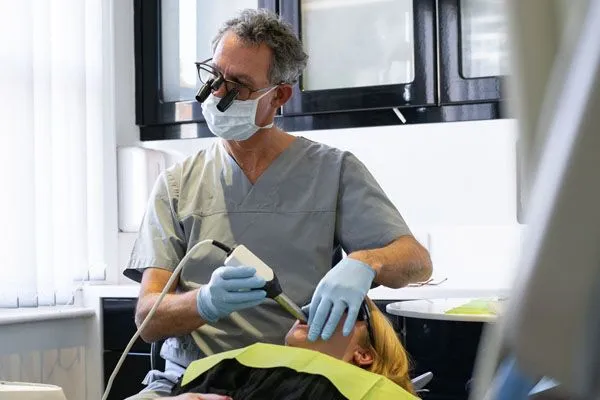
    When spring arrives and nature awakens from its winter slumber, millions of Britons reach for antihistamines and tissues to combat the annual onslaught of seasonal allergies. Whilst most people associate hay fever with sneezing, itchy eyes, and congestion, fewer realise that these same allergic reactions can significantly impact oral health and create unexpected challenges during routine dental appointments. The relationship between seasonal allergies and dental wellbeing represents a fascinating intersection of immunology and dentistry that deserves closer examination by a dentist Borehamwood.

    Seasonal allergies trigger a cascade of physiological responses throughout the body, and the oral cavity is far from immune to these effects. Understanding how allergens influence dental health enables patients to take proactive measures and helps dental professionals provide more effective care during peak allergy seasons. From increased tooth sensitivity to complications during procedures, the ripple effects of seasonal allergies extend far beyond the typical symptoms most people anticipate.

    How Allergies Compromise Oral Health

    Dry Mouth and Reduced Saliva Production

    One of the most significant ways seasonal allergies affect oral health is through the reduction of saliva production. When individuals suffer from nasal congestion, they naturally resort to mouth breathing, particularly during sleep. This constant flow of air through the mouth rapidly dries out oral tissues and diminishes the protective saliva film that normally coats teeth and gums. Saliva serves as the mouth’s natural defence mechanism, neutralising acids, washing away food particles, and providing essential minerals that strengthen tooth enamel.

    Antihistamine medications, whilst effective at controlling allergy symptoms, frequently exacerbate dry mouth conditions as a common side effect. This double impact creates an environment where harmful bacteria can flourish unchecked, leading to increased risks of tooth decay, gum disease, and persistent bad breath. The connection between allergic reactions and dental complications highlights the importance of maintaining proper oral hygiene during allergy season.

    Sinus Pressure and Toothache

    The maxillary sinuses sit directly above the upper back teeth, and when these cavities become inflamed and congested during allergic reactions, they can create pressure that mimics dental pain. Many patients mistake this sinus-induced discomfort for genuine toothache, leading to unnecessary dental appointments and confusion about the source of their symptoms. A dentist regularly assesses whether tooth pain stems from actual dental issues or sinus pressure, particularly during peak allergy seasons.

    Increased Inflammation and Gum Sensitivity

    Seasonal allergies trigger systemic inflammation throughout the body, and the gums are particularly susceptible to these inflammatory responses. Allergy sufferers often notice their gums become more sensitive, prone to bleeding, and tender during peak pollen seasons. This heightened inflammatory state can worsen existing gum conditions or create new periodontal concerns that require professional attention. The immune system’s overreaction to harmless allergens inadvertently creates collateral damage in oral tissues, making routine brushing and flossing more uncomfortable.

    Complications During Dental Treatments

    Breathing Difficulties and Patient Comfort

    Routine dental procedures become considerably more challenging when patients struggle with nasal congestion and restricted breathing. Dental work often requires patients to keep their mouths open for extended periods, which becomes problematic when nasal passages are blocked. This situation creates anxiety for both patients and dental professionals, as the need to breathe through the mouth whilst receiving treatment can trigger panic responses and necessitate frequent breaks during procedures.

    Many dental practitioners recommend that patients experiencing severe seasonal allergies reschedule non-urgent appointments until symptoms subside. For essential treatments, managing allergy symptoms before dental visits ensures greater comfort and more successful outcomes. Dental practices often work closely with patients to identify optimal timing for procedures that minimises allergy-related complications.

    Post-Treatment Healing Concerns

    The immune system’s preoccupation with fighting allergens can potentially slow healing following dental procedures. Extractions, gum treatments, and other invasive dental work require robust immune responses for proper recovery. When the body is already managing an allergic reaction, healing times may extend, and the risk of complications can increase. Additionally, the persistent coughing and sneezing associated with allergies can disrupt healing sites and cause discomfort in areas where dental work has been performed.

    Protecting Your Smile During Allergy Season

    Understanding the impact of seasonal allergies on dental health empowers individuals to take preventative action. Maintaining excellent oral hygiene becomes even more critical during allergy season, with particular attention to staying hydrated, using alcohol-free mouthwashes, and possibly incorporating saliva-stimulating products. Communication with dental professionals about allergy symptoms ensures appropriate treatment planning and optimal outcomes. By recognising the intricate relationship between seasonal allergies and oral health, patients can navigate allergy season whilst maintaining their dental wellbeing and ensuring routine treatments proceed smoothly and comfortably.

  • Dental

    How Orthodontic Treatment Timing Impacts Long-Term Dental Stability

    Understanding the Ideal Timing for Orthodontic Success

    The appropriate timing for orthodontic treatment has long been a subject of interest among dental professionals and parents alike. Although braces are often associated with adolescence, research shows that when treatment begins can significantly influence both the durability and stability of the results. The age at which intervention takes place, alongside individual growth patterns, plays a vital role in determining whether alignment is maintained over the long term.

    Dental stability refers to the ability of teeth to remain in their corrected positions throughout life, despite natural forces that may encourage movement. Appreciating how timing influences this stability requires consideration of both biological processes and practical treatment factors. An experienced orthodontist London patients consult will typically evaluate multiple elements before recommending the most appropriate time to begin care.

    The Role of Growth in Orthodontic Treatment

    Orthodontic treatment carried out during active growth phases offers notable advantages. The developing skeletal system is highly adaptable, allowing orthodontists to influence jaw development rather than simply repositioning teeth. This method, commonly known as interceptive orthodontics, makes use of natural growth to achieve results that may be more stable in the long term.

    Differences Between Skeletal and Dental Corrections

    The distinction between skeletal and dental correction highlights the importance of timing. When treatment is provided during key growth periods, typically between the ages of seven and fourteen, it is possible to adjust the relationship between the jaws. Early intervention can therefore reduce the likelihood of more invasive procedures being required later. In contrast, treatment in adulthood is limited to repositioning teeth within fully developed bone, often necessitating more robust retention strategies.

    Biological Adaptation and Tissue Response

    The tissues supporting the teeth are continually remodelling, though this occurs more efficiently in younger individuals. Children and adolescents tend to exhibit higher rates of bone turnover and more responsive periodontal structures. These characteristics facilitate tooth movement and help establish more stable positioning, contributing to improved long-term outcomes when treatment is timed appropriately.

    Age-Related Factors in Treatment Planning

    The influence of age on orthodontic stability varies depending on the specific condition being treated. Some issues, such as crossbites, are best addressed early to prevent uneven jaw development. Others, including mild crowding, may be more effectively treated once all permanent teeth have emerged.

    The Importance of Patient Cooperation

    Patient compliance plays a significant role in treatment success and long-term stability. This can differ between age groups. Adolescents may find it more challenging to follow retention guidelines consistently, which can affect results. Adults, on the other hand, often demonstrate higher levels of commitment, although they face the limitation of treating fully developed bone structures. Regardless of age, maintaining results requires ongoing effort and adherence to professional advice.

    Retention and Long-Term Maintenance

    Even when treatment is carried out at an ideal time, retention remains essential. The duration and type of retention often depend on the patient’s age at the time of treatment and the extent of correction required. Younger patients who benefit from growth modification may require less intensive retention, whereas adults may need longer-term solutions to preserve alignment.

    Ongoing Monitoring and Adjustments

    Maintaining dental stability over time requires periodic review. Changes such as the eruption of wisdom teeth, hormonal influences, or natural ageing processes can affect alignment. Regular check-ups allow early detection of any movement and enable timely intervention, helping to protect the results achieved through treatment.

    Making Well-Informed Decisions About Treatment Timing

    Decisions regarding when to begin orthodontic treatment should be based on individual needs rather than fixed age guidelines. Considerations such as skeletal development, the nature of the dental issue, and patient commitment all play an important role. By carefully evaluating these factors, patients and practitioners can work together to determine the most suitable timing, ensuring both effective treatment and long-term dental stability.

  • Dental

    Exploring the Impact of Nanotechnology on Dental Treatments

    The Dawn of Microscopic Dental Revolution

    The realm of dentistry stands on the precipice of a technological revolution that would make even the most forward-thinking Victorian inventor’s head spin. Nanotechnology, the science of manipulating matter at the molecular level, has begun to weave its microscopic magic into dental practices across the United Kingdom. This extraordinary field, operating at scales smaller than a virus, promises to transform everything a dentist St Albans does from routine cleanings to complex oral surgeries.

    Modern dental professionals are increasingly embracing these infinitesimal innovations, with practitioners from London to Edinburgh incorporating nanoscale solutions into their treatment protocols. The precision offered by nanotechnology allows for interventions that were previously impossible, creating opportunities for less invasive procedures and more effective outcomes. For patients seeking cutting-edge dental care, establishments are beginning to integrate these advanced technologies into their practice methodologies.

    Revolutionising Preventive Care Through Nanoscale Innovation

    The preventive aspects of dental care have experienced perhaps the most dramatic transformation through nanotechnology applications. Nanoparticles embedded in toothpastes and mouthwashes now possess the ability to seek out and neutralise harmful bacteria with unprecedented precision. These microscopic warriors can penetrate the smallest crevices between teeth, reaching areas that traditional cleaning methods often miss entirely.

    Advanced Antimicrobial Properties

    Silver nanoparticles have emerged as particularly effective antimicrobial agents, capable of disrupting bacterial cell walls whilst remaining harmless to human tissue. This selective targeting represents a significant advancement over conventional antiseptics, which often adopt a more indiscriminate approach to bacterial elimination. The controlled release of these nanoparticles ensures prolonged protection against oral pathogens.

    Furthermore, recent research into nanotechnology applications in oral healthcare has demonstrated remarkable improvements in plaque prevention and enamel strengthening. These developments suggest that future dental hygiene routines may become significantly more effective whilst requiring less time and effort from patients.

    Remineralisation and Enamel Protection

    Calcium phosphate nanoparticles have shown extraordinary promise in promoting natural tooth remineralisation processes. These microscopic compounds can infiltrate microscopic defects in tooth enamel, essentially providing the building blocks necessary for natural repair mechanisms to function more effectively. This approach represents a paradigm shift from traditional restorative methods towards preventive regeneration.

    Transformative Applications in Restorative Dentistry

    The restorative aspects of dental care have witnessed remarkable advancements through nanoscale engineering. Composite filling materials now incorporate nanoparticles that enhance durability whilst maintaining aesthetic appeal. These advanced composites demonstrate superior wear resistance and colour stability compared to traditional materials, ensuring that restorations maintain their integrity and appearance for extended periods.

    Nanocomposite materials exhibit enhanced mechanical properties, including improved flexural strength and reduced polymerisation shrinkage. This technological advancement allows dental professionals to create restorations that more closely mimic the natural properties of tooth structure, resulting in better long-term outcomes for patients.

    Precision Drug Delivery Systems

    Nanotechnology has revolutionised targeted drug delivery within oral treatments. Nanocarriers can transport medications directly to specific sites within the oral cavity, ensuring maximum therapeutic benefit whilst minimising systemic exposure. This precision approach proves particularly valuable in treating periodontal diseases, where localised antibiotic delivery can effectively combat bacterial infections without affecting the broader oral microbiome.

    These sophisticated delivery mechanisms can be programmed to release medications over predetermined timeframes, maintaining optimal therapeutic concentrations at treatment sites. Such controlled release systems reduce the frequency of medication administration whilst improving patient compliance and treatment outcomes.

    Future Prospects and Clinical Implementation

    The integration of nanotechnology into routine dental practice continues to accelerate, with comprehensive studies examining nanotechnology’s role in contemporary dental care highlighting numerous promising applications. Practitioners across the country are increasingly incorporating these technologies into their treatment protocols, recognising the significant benefits they offer to patient care.

    Advanced diagnostic capabilities represent another frontier where nanotechnology demonstrates considerable potential. Nanosensors capable of detecting early signs of dental pathology could revolutionise preventive care, allowing for intervention before visible symptoms develop. These developments suggest that future dental appointments may focus more heavily on prevention rather than treatment.

    Looking Towards Tomorrow’s Dental Landscape

    The convergence of nanotechnology and dentistry represents a fundamental shift in how oral healthcare is approached and delivered. Extensive research into nanotechnology applications across prevention, diagnosis, and therapeutic interventions continues to reveal new possibilities for improving patient outcomes. As these technologies mature and become more accessible, patients can anticipate increasingly sophisticated, comfortable, and effective dental treatments that preserve and enhance oral health in ways previously thought impossible.

  • Dental

    Unveiling New Dimensions: Veneers and the Future of Personalised Smile Design

    The Evolution of Modern Smile Enhancement

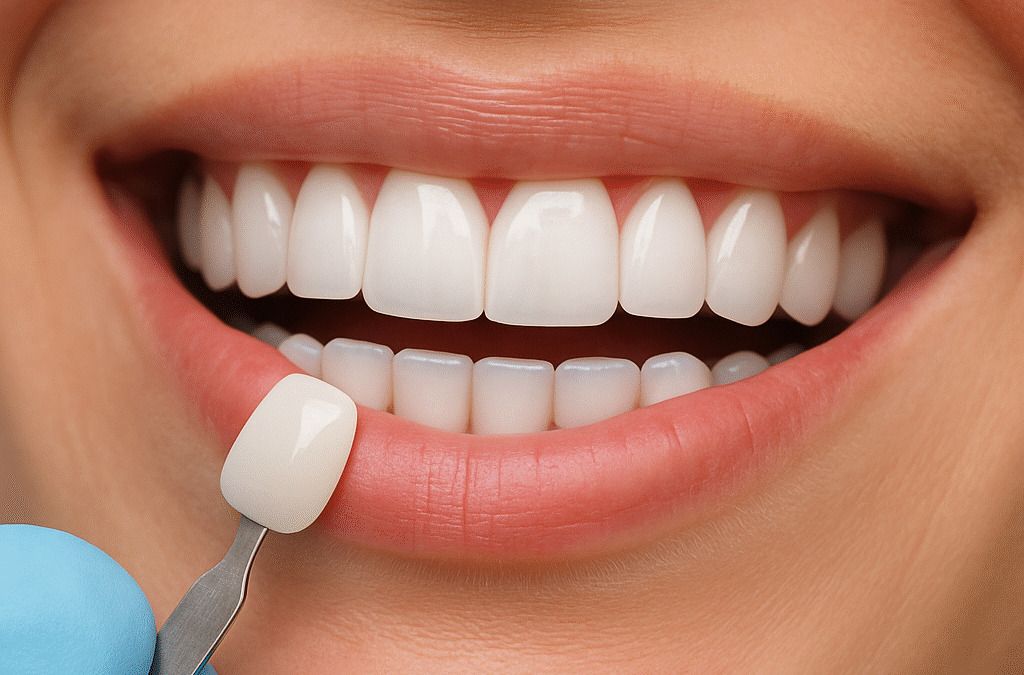
    The landscape of cosmetic dentistry has undergone a remarkable transformation over the past decade, with dental veneers Liverpool emerging as the cornerstone of personalised smile design. This revolutionary approach to aesthetic dentistry represents far more than simply covering imperfections; it embodies a sophisticated fusion of artistry, technology, and individualised care that is reshaping how patients and practitioners view smile enhancement.

    Contemporary dental professionals are witnessing an unprecedented demand for bespoke smile solutions that reflect each patient’s unique facial characteristics, personality, and lifestyle preferences. The traditional one-size-fits-all approach has given way to meticulously crafted treatments that consider everything from facial symmetry to professional requirements, creating results that appear naturally beautiful whilst addressing specific aesthetic concerns.

    The Science Behind Personalised Veneer Design

    Modern veneer technology operates on principles that extend far beyond conventional cosmetic improvements. Advanced digital imaging systems now allow practitioners to create three-dimensional models of patients’ mouths, enabling precise planning and predictable outcomes. This technological advancement has revolutionised the field, allowing for unprecedented accuracy in shape, size, and colour matching.

    The materials themselves have evolved considerably, with ultra-thin porcelain options providing strength and translucency that closely mimics natural tooth enamel. These innovations enable practitioners to achieve remarkable transformations whilst preserving maximum natural tooth structure, a consideration that has become increasingly important in contemporary dental practice.

    Digital Planning and Precision Manufacturing

    The integration of computer-aided design and manufacturing has elevated veneer creation to an art form. Practitioners can now manipulate virtual models to demonstrate potential outcomes before treatment begins, ensuring patients have realistic expectations and can actively participate in their smile design process. This collaborative approach has significantly improved patient satisfaction rates and treatment predictability.

    Patients seeking veneers practitioners offer are discovering that modern techniques allow for incredibly natural-looking results that complement their existing facial features. The precision manufacturing process ensures each veneer is crafted to exact specifications, creating seamless integration with surrounding teeth and optimal aesthetic harmony.

    Customisation Beyond Aesthetics

    The future of veneer design extends beyond visual enhancement to encompass functional considerations that impact daily life. Modern practitioners evaluate bite patterns, speech requirements, and long-term oral health implications when designing veneer treatments. This holistic approach ensures that aesthetic improvements support overall oral function rather than compromising it.

    The comprehensive smile design process now incorporates psychological and social factors, recognising that a successful smile transformation must align with the patient’s self-image and social interactions.

    Advanced Materials and Longevity

    The development of next-generation ceramic materials has significantly enhanced the durability and aesthetic properties of modern veneers. These advanced composites offer superior resistance to staining and wear whilst maintaining their lustrous appearance for decades. The improved bonding agents now available create stronger adhesion between veneers and natural teeth, reducing the likelihood of detachment and extending treatment lifespan considerably.

    Contemporary materials also provide enhanced colour stability, ensuring that smile transformations maintain their intended appearance throughout their functional life. This advancement addresses previous concerns about long-term aesthetic consistency, providing patients with confidence in their investment in smile enhancement.

    The Patient Experience Revolution

    Modern veneer treatment has transformed from a lengthy, uncomfortable process into a streamlined experience that prioritises patient comfort and convenience. Minimally invasive preparation techniques preserve natural tooth structure whilst achieving optimal bonding surfaces. Advanced anaesthetic methods and sedation options ensure patient comfort throughout the treatment process.

    The integration of same-day manufacturing capabilities in many practices has reduced treatment timelines significantly. Patients can now complete their smile transformation in fewer appointments, minimising disruption to their daily routines whilst achieving exceptional results. This efficiency improvement has made veneer treatment accessible to a broader demographic of patients.

    Personalised Maintenance Protocols

    The future of veneer care involves individualised maintenance programmes that consider each patient’s lifestyle, dietary habits, and oral hygiene practices. Personalised cosmetic dentistry approaches extend beyond the initial treatment to encompass long-term care strategies that preserve the investment in smile enhancement.

    Professional monitoring programmes utilise digital records to track veneer condition over time, enabling proactive maintenance and early intervention when necessary. This preventive approach maximises treatment longevity whilst maintaining optimal aesthetic results.

    The Future Landscape of Smile Design

    The trajectory of veneer technology points towards even greater personalisation and precision in the coming years. Artificial intelligence applications are beginning to assist in treatment planning, analysing facial features and predicting optimal aesthetic outcomes with remarkable accuracy. These technological advances promise to further enhance the predictability and quality of smile transformations.

    The emphasis on achieving natural-looking transformations continues to drive innovation in materials science and manufacturing techniques. As these technologies mature, patients can expect even more sophisticated options for personalising their smile enhancement experience, ensuring that each treatment truly reflects their individual aesthetic goals and functional requirements.

  • Dental

    Innovative Strategies for Personalised Dental Anxiety Management

    Understanding the Modern Approach to Dental Phobia

    Dental anxiety affects millions of people across the United Kingdom, creating a significant barrier to maintaining optimal oral health. However, the landscape of dental care has evolved dramatically, with innovative approaches transforming how a private dentist Manchester addresses patient fears and concerns. Modern dental professionals are increasingly adopting personalised strategies that recognise each patient’s unique psychological profile and anxiety triggers.

    The traditional one-size-fits-all approach to dental anxiety management is rapidly becoming obsolete. Today’s progressive dental practices understand that effective anxiety management requires a nuanced understanding of individual patient needs, combining cutting-edge technology with compassionate care. This personalised approach has revolutionised the patient experience, making dental visits more comfortable and accessible for those who previously avoided necessary treatment.

    Technology-Driven Solutions for Anxiety Reduction

    Contemporary dental practices are leveraging advanced technology to create calming environments that actively reduce patient stress levels. Virtual reality headsets transport patients to serene landscapes during procedures, whilst noise-cancelling headphones block out the sounds of dental equipment that often trigger anxiety responses. These technological interventions work by engaging the patient’s senses in positive experiences, effectively redirecting their focus away from the dental procedure.

    Digital communication platforms now allow patients to express their concerns and preferences before arriving at the surgery. Many forward-thinking practitioners utilise pre-appointment questionnaires and video consultations to understand patient anxiety levels and develop tailored management strategies. This proactive approach ensures that appropriate measures are in place before the patient enters the treatment room.

    Psychological Techniques and Behavioural Interventions

    Progressive dental practices are incorporating evidence-based psychological techniques into their standard patient care protocols. Cognitive behavioural therapy principles are being adapted for dental settings, helping patients identify and challenge negative thought patterns associated with dental treatment. Mindfulness techniques and guided breathing exercises are taught to patients as practical tools for managing anxiety during appointments.

    The implementation of graduated exposure therapy has proven particularly effective for patients with severe dental phobia. This approach involves gradually introducing patients to dental environments and procedures, starting with simple consultations and progressively moving towards more complex treatments. Comprehensive anxiety management techniques are being refined continuously, ensuring that patients receive the most effective psychological support available.

    Personalised Sedation and Comfort Options

    Modern sedation techniques have evolved far beyond traditional methods, offering patients a spectrum of carefully calibrated options tailored to their specific anxiety levels and medical histories. Conscious sedation allows patients to remain alert whilst experiencing profound relaxation, whilst nitrous oxide provides a gentle, reversible anxiolytic effect that can be precisely controlled throughout treatment. These pharmaceutical interventions are increasingly being combined with non-pharmacological approaches for optimal results.

    Intravenous sedation represents the pinnacle of personalised anxiety management, with medications titrated to each patient’s individual response and comfort level. Qualified dental professionals work closely with anaesthetists to ensure the safest possible experience, monitoring vital signs continuously whilst maintaining optimal patient comfort. This collaborative approach has made complex dental procedures accessible to patients who previously considered them impossible to endure.

    Environmental Design and Sensory Considerations

    The physical environment of dental practices plays a crucial role in anxiety management, with thoughtful design elements contributing significantly to patient comfort. Colour psychology principles guide the selection of calming hues, whilst aromatherapy diffusers introduce subtle scents that promote relaxation. Natural lighting and comfortable furnishings create a spa-like atmosphere that contrasts sharply with the clinical environments traditionally associated with dental care.

    Music therapy has emerged as a particularly effective environmental intervention, with practices curating playlists designed to reduce cortisol levels and promote feelings of wellbeing. Some innovative practitioners allow patients to bring their own music, creating a personalised auditory environment that enhances their sense of control and comfort. Stress-free dental visit techniques increasingly incorporate these sensory considerations as fundamental aspects of patient care.

    Building Long-term Patient Relationships

    Successful anxiety management extends beyond individual appointments, focusing on building trust and rapport over time. Regular communication between appointments helps maintain the therapeutic relationship, whilst flexible scheduling accommodates patients’ psychological needs and preferences. Innovative stress-free dental solutions recognise that consistency in care providers significantly reduces patient anxiety levels.

    The Future of Anxiety-Free Dental Care

    The evolution of personalised dental anxiety management continues to accelerate, with emerging technologies and refined techniques promising even more effective solutions. As understanding of dental phobia deepens, practitioners are better equipped to provide compassionate, individualised care that transforms the dental experience from one of fear to one of comfort and confidence.

  • Dental

    Exploring the Power of Minimalist Design in Dental SEO

    The Digital Transformation of Dental Practices

    The landscape of dental marketing has undergone a remarkable transformation over the past decade. Where once dental practices relied solely on word-of-mouth recommendations and yellow pages advertisements, today’s successful dental professionals recognise the paramount importance of establishing a compelling online presence with dental SEO. This digital evolution has brought forth an intriguing paradox: whilst the internet grows increasingly complex, the most effective dental websites are embracing the principles of minimalist design to achieve superior search engine rankings and patient engagement.

    Modern dental practices find themselves navigating an intricate web of digital marketing strategies, from social media presence to online reputation management. However, one aspect that consistently proves its worth is the strategic implementation of clean, minimalist web design principles that enhance both user experience and search engine optimisation performance. The convergence of aesthetic simplicity and technical sophistication has created unprecedented opportunities for dental practices to distinguish themselves in an increasingly competitive marketplace.

    Understanding Minimalist Design Principles in Dentistry

    Minimalist design in dental websites extends far beyond merely reducing visual clutter or eliminating decorative elements. It represents a thoughtful approach to presenting essential information in the most accessible and engaging manner possible. This design philosophy prioritises functionality, clarity, and user-centric navigation whilst maintaining the professional gravitas that patients expect from healthcare providers.

    The core tenets of minimalist dental web design include strategic use of whitespace, carefully curated colour palettes that reflect clinical cleanliness and professionalism, and typography that ensures optimal readability across all devices. These elements work synergistically to create an online environment that mirrors the calm, organised atmosphere that patients seek in dental care settings. Furthermore, minimalist design principles naturally align with search engine algorithms that favour fast-loading, mobile-responsive websites with clear hierarchical structures.

    The SEO Advantages of Simplified Design

    Search engines have consistently demonstrated their preference for websites that prioritise user experience, and minimalist dental websites inherently excel in this regard. By reducing unnecessary design elements and focusing on essential content, these websites typically achieve faster loading speeds, which directly correlates with improved search engine rankings. The streamlined approach to SEO through minimalist design creates a foundation for enhanced visibility in local search results.

    Streamlined Navigation and User Experience

    The relationship between minimalist design and user experience becomes particularly evident in navigation structures. Dental practices that embrace simplified menu systems and intuitive page layouts often witness significant improvements in key performance metrics, including reduced bounce rates and increased appointment booking conversions. This streamlined approach ensures that potential patients can effortlessly locate crucial information such as services offered, practice locations, and contact details.

    Mobile Optimisation Through Minimalist Approaches

    The prevalence of mobile device usage for healthcare searches has fundamentally altered how dental practices must approach their online presence. Minimalist design principles naturally complement mobile-first indexing requirements, ensuring that dental websites perform optimally across all screen sizes. The simplified layouts inherent in minimalist design translate seamlessly to smaller screens, maintaining readability and functionality without compromising the professional appearance that patients expect from dental healthcare providers.

    Dental practices that implement minimalist design strategies often discover that their mobile conversion rates improve substantially. The reduced cognitive load associated with clean, uncluttered interfaces enables potential patients to focus on essential information and take desired actions, such as scheduling appointments or accessing emergency contact information. This enhanced mobile experience contributes significantly to improved local search rankings, as search engines increasingly prioritise mobile-friendly websites in their algorithms.

    Content Strategy and Visual Hierarchy

    Effective minimalist design in dental websites requires a strategic approach to content presentation that goes beyond surface-level aesthetics. The principles of visual hierarchy become particularly crucial when dental practices must communicate complex information about treatments, procedures, and practice policies whilst maintaining the clean aesthetic that defines minimalist design. Successful implementations utilise strategic typography, purposeful spacing, and carefully considered colour schemes to guide visitors through essential information.

    The integration of patient reviews, treatment information, and practice credentials within minimalist frameworks requires careful consideration of content prioritisation. Examples of effective minimalist dental website designs demonstrate how strategic content placement can enhance both user engagement and search engine optimisation performance. These implementations showcase the potential for dental practices to communicate professionalism and expertise through restrained design choices rather than overwhelming visual elements.

    Measuring Success and Continuous Improvement

    The effectiveness of minimalist design strategies in SEO becomes apparent through comprehensive performance analysis. Dental practices that embrace these principles often observe improvements in key metrics including organic search visibility, user engagement rates, and conversion performance. Analysis of top-performing dental websites consistently reveals the correlation between simplified design approaches and enhanced search engine rankings.

    Contemporary web design trends for dental practices continue to emphasise the importance of balancing aesthetic appeal with functional performance, reinforcing the enduring relevance of minimalist design principles in dental marketing strategies.

    The Future of Dental Digital Marketing

    The intersection of minimalist design and SEO represents a sustainable approach to digital marketing that prioritises long-term performance over short-term visual trends. As search engines continue to refine their algorithms to favour user-centric experiences, dental practices that have invested in minimalist design principles find themselves well-positioned for continued success in competitive digital landscapes.

  • Dental

    The Intricate Craft of Personalised Smile Adjustments with Composite Bonding

    Understanding Modern Smile Enhancement

    In the realm of cosmetic dentistry, the artistry of smile enhancement has evolved significantly over recent years. Professional dental practitioners have refined their techniques to offer patients increasingly sophisticated solutions for achieving their desired smile. Among these innovations, composite bonding London practices have emerged as centres of excellence for personalised smile adjustments.

    The Science Behind Composite Bonding

    Material Innovation and Application

    Modern composite materials represent a significant advancement in dental technology, offering innovative solutions for aesthetic dental improvements. These specially formulated resins combine durability with aesthetic appeal, allowing practitioners to create natural-looking results that seamlessly blend with existing teeth. The composition of these materials includes a mixture of glass or quartz filler particles suspended in a resin medium. This combination provides both strength and malleability, enabling dentists to sculpt and shape the material precisely according to each patient’s unique dental structure.

    Customisation and Colour Matching

    One of the most remarkable aspects of composite bonding is the ability to achieve exact colour matches with natural teeth. Dental professionals utilise advanced shade matching techniques and layering methods to create results that appear completely natural, ensuring that the bonded areas are indistinguishable from the surrounding tooth structure.

    Applications and Benefits

    • Correction of minor chips and cracks
    • Closing small gaps between teeth
    • Improving the shape of irregular teeth
    • Masking mild discolouration
    • Lengthening worn teeth

    The versatility of composite bonding makes it an excellent choice for addressing various cosmetic concerns. The treatment has gained particular popularity in London’s prestigious dental practices, where skilled practitioners combine technical expertise with an artistic eye to deliver outstanding results.

    The Treatment Process

    The procedure begins with a thorough assessment of the patient’s dental structure and desired outcomes. This initial consultation is crucial for developing a personalised treatment plan that addresses specific concerns while maintaining the natural harmony of the smile. Practitioners in leading London practices emphasise the importance of this planning phase to ensure optimal results.

    Professional Expertise and Technique

    The success of composite bonding treatments relies heavily on the practitioner’s skill and attention to detail. Modern bonding techniques require precise application and finishing procedures to achieve optimal aesthetics and longevity. This includes careful preparation of the tooth surface, expert application of the composite material, and meticulous polishing to create a natural lustre.

    Maintenance and Longevity

    Daily Care Requirements

    While composite bonding offers remarkable aesthetic improvements, maintaining these results requires appropriate care. Patients should follow a comprehensive oral hygiene routine that includes:

    • Regular brushing with non-abrasive toothpaste
    • Daily flossing around bonded areas
    • Avoiding excessive consumption of staining substances
    • Regular dental check-ups and professional cleanings

    Long-term Considerations

    With proper care and maintenance, composite bonding can provide lasting results. However, patients should be aware that the material may require touch-ups or replacement over time. The longevity of the treatment depends on various factors, including lifestyle habits, oral hygiene practices, and the location of the bonding within the mouth.

    The Future of Smile Enhancement

    As dental technology continues to advance, the possibilities for personalised smile adjustments through composite bonding specialists continue to expand. The treatment represents a perfect balance between immediate results and conservative dentistry, offering patients a minimally invasive option for achieving their desired smile improvements. The evolution of composite materials and application techniques suggests an exciting future for this treatment modality. Ongoing research and development in dental materials science promise even more durable and aesthetic options for patients seeking smile enhancements.

    Advancing Aesthetic Dentistry

    The art and science of composite bonding exemplify the remarkable progress made in aesthetic dentistry. This treatment option continues to provide patients with a reliable, efficient, and aesthetically pleasing solution for various dental concerns. As techniques and materials continue to evolve, the potential for creating even more beautiful, natural-looking smiles grows, solidifying composite bonding’s position as a cornerstone of modern cosmetic dentistry.